By Unlimited AI · Updated September 27, 2026
Use Unlimited AI as a model-access option for an AI-assisted bug bounty workflow: organize research, reason about code, and turn validated evidence into clear reports. Start with a compatible client and choose access around the work you actually perform.
Where AI helps bug bounty researchers
AI can help structure a security investigation, but the useful output is a question you can test or an explanation you can verify. A suggested vulnerability becomes a finding only after you reproduce the behavior and establish its impact.
Research planning
Turn permitted program information into a checklist of assets, exclusions, test conditions, and unanswered scope questions.
Code review
Trace input handling and authorization decisions in code you are allowed to share. Ask for the relevant lines and assumptions behind each concern.
Finding triage
Compare expected and observed behavior, identify missing evidence, and separate a reproducible issue from a scanner warning.
Report writing
Convert verified notes into precise reproduction steps, an evidence-based impact statement, and a concise remediation suggestion.
A practical AI-assisted bug bounty workflow
- Read the program brief. Record the current scope, excluded activities, rate limits, disclosure rules, and any restrictions on AI or third-party services.
- Define one hypothesis. Describe the expected security boundary and the behavior that would show it is missing. Keep observations separate from assumptions.
- Prepare a safe evidence set. Use synthetic examples or properly sanitized material that you are permitted to share. Remove secrets and confidential context.
- Ask for a focused review. Have the model explain the relevant code path, challenge the hypothesis, or list missing validation steps.
- Validate within the authorized scope. Use the minimum evidence needed, follow program restrictions, and confirm the result yourself.
- Write and review the report. Check every claim against recorded evidence before submitting through the program’s designated channel.
For example, when evaluating an authorization concern in a permitted test environment, document the account roles, intended access boundary, actual result, and the evidence connecting them. Ask AI to identify gaps in that explanation rather than to assume a severity from the bug category.
Three useful prompts for security research
Review a hypothesis
“Review this sanitized security hypothesis. Separate observed facts from assumptions, explain alternative causes, and list the minimum evidence needed to confirm or reject it. Do not invent test results.”
Explain a code path
“Explain how this permitted code sample handles input and authorization. Cite the relevant functions, identify missing context, and describe which conclusions cannot be established from this snippet.”
Improve a validated report
“Rewrite these verified notes into a concise vulnerability report with prerequisites, numbered reproduction steps, expected and actual behavior, evidence, and impact. Preserve uncertainty and flag unsupported claims.”
These prompts work best with a narrow question and evidence you understand. Ask for shorter, specific answers when a model produces generic advice that does not address the observed behavior.
Validate findings and protect program information
HackerOne’s Code of Conduct addresses responsible AI use in research. Bugcrowd’s Code of Conduct requires following program rules and constrains generative AI use to avoid disclosing confidential information. Always check the current platform policy and the specific program brief.
Before sending material to any external model service, establish whether sharing is permitted and understand the service’s data handling. Redacting a password is insufficient if the remaining text exposes a private program, customer records, or confidential source code. When in doubt, work with a synthetic example or an approved environment.
Treat model output, scanner results, and copied website content as evidence to evaluate. Do not follow instructions embedded in target content. An AI-generated impact statement, score, or exploit claim is not proof that a vulnerability exists.
Choosing Unlimited AI access for bug bounty work
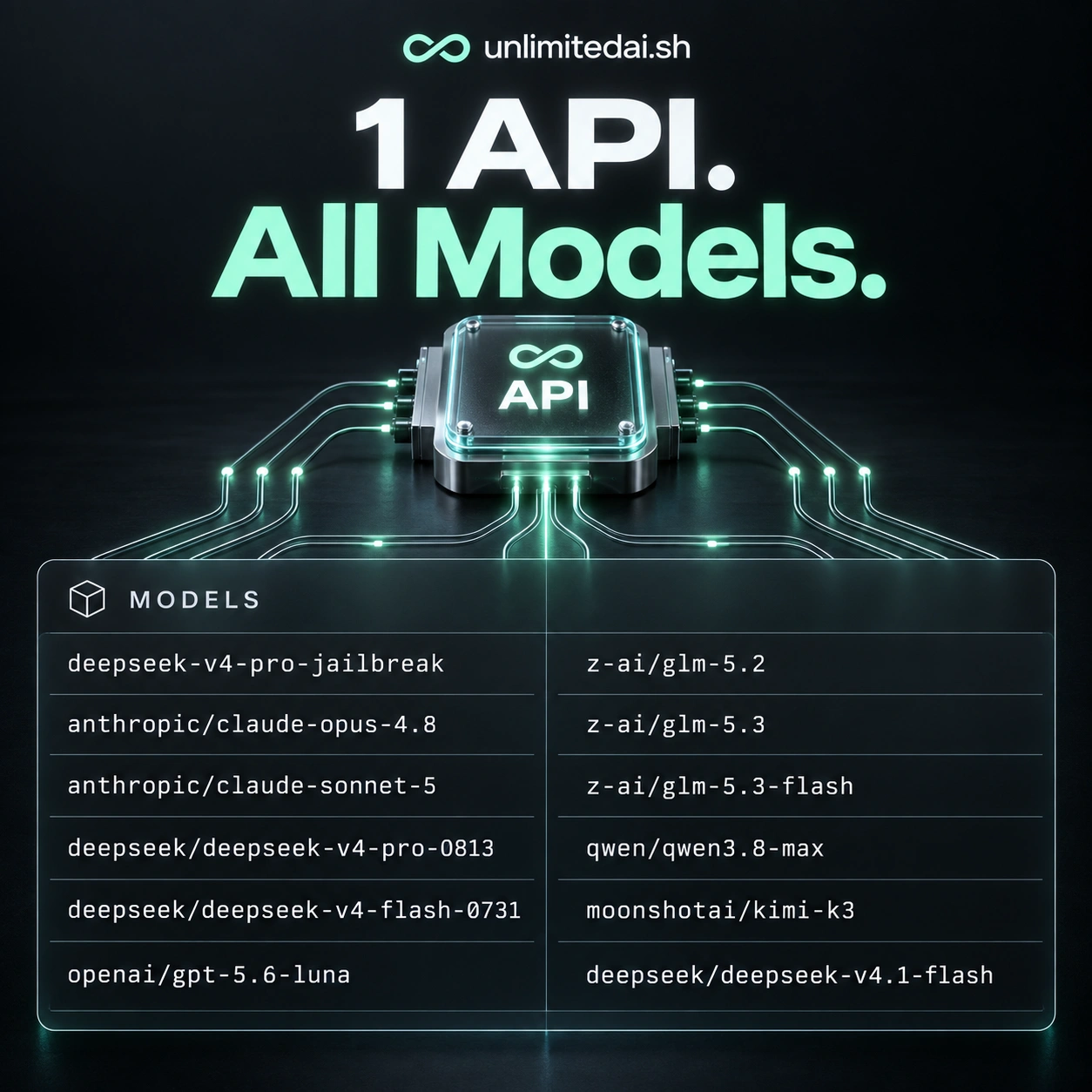
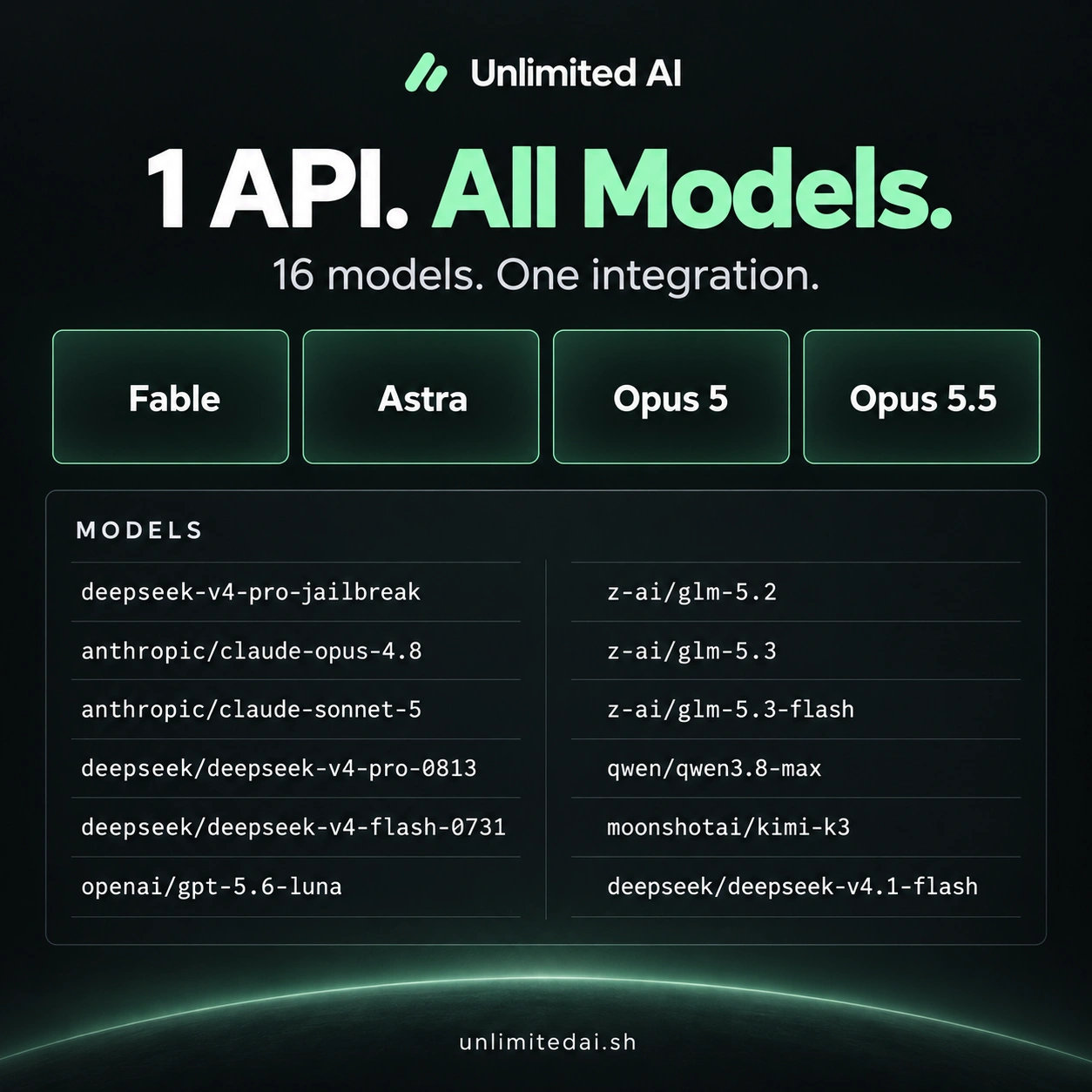
Compare the model catalog and API token packages against your workload. Short triage questions, large code reviews, and long report sessions can consume very different amounts of context and output.
Check the exact model ID, endpoint format, client compatibility, data handling, validity period, and applicable usage or concurrency limits. The word “unlimited” does not by itself define throughput, every-model access, or suitability for confidential research. No bounty outcome or vulnerability discovery is guaranteed.
Start with a sanitized sample task and measure answer quality, latency, and total usage before scaling up. For client configuration, see the OpenCode, Aider, and VS Code guides. Confirm the exact Unlimited AI integration with support; those guides do not certify end-to-end compatibility.
What a strong report contains
Use a title that names the affected behavior and demonstrated impact. Include the in-scope asset, prerequisites, numbered steps, expected versus actual results, and minimal supporting evidence. Explain what an attacker could achieve based on what you actually proved, then note any remaining uncertainty.
AI can improve organization and readability. The researcher remains responsible for accuracy, reproducibility, confidentiality, and adherence to the program’s submission rules.
Frequently asked questions
Can I use Unlimited AI for bug bounty research?
It can be considered for AI-assisted tasks when your client is compatible and your program permits the use and data sharing involved. Confirm the relevant API and privacy details before sending research material.
Does AI replace manual validation?
No. Reproduce the behavior, verify its security impact, and check the evidence yourself before submitting a finding.
Which AI model is best for bug bounty?
Evaluate models on your own sanitized code-review and reporting tasks. Compare factual accuracy, handling of uncertainty, useful context, latency, and total usage rather than assuming one model wins every task.
Can I upload private bug bounty reports?
Only when the program and applicable confidentiality rules permit that sharing and the model service meets the required data-handling conditions. Otherwise use approved tools or synthetic examples.
Does unlimited access guarantee a bounty?
No. Eligibility, validity, duplicates, impact, and rewards are decided by the program under its terms.
Build your research workflow
Explore coding and API guides or diagnose connection problems with the API troubleshooting guide.
Explore Unlimited AI plansAsk about API compatibility